
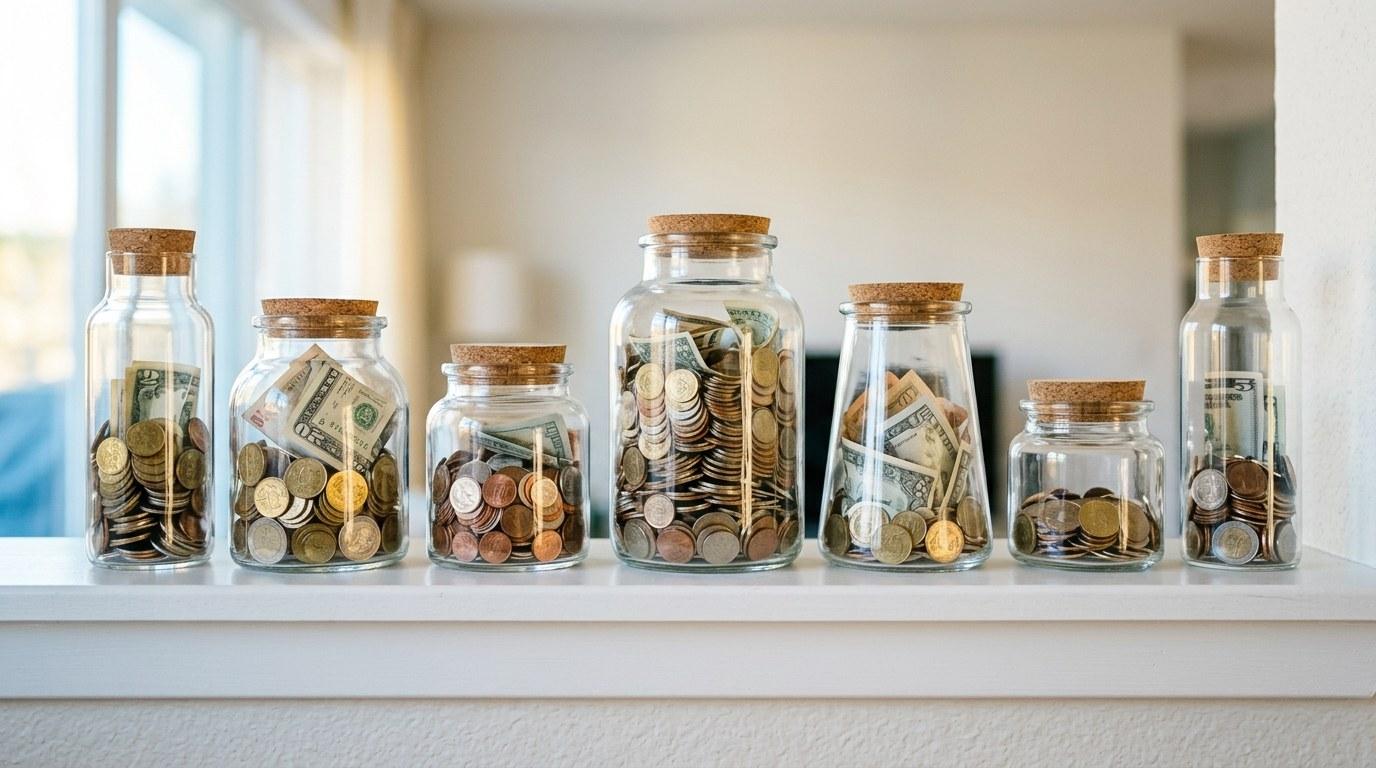
Everyday Saver's Guide to Sinking Funds: How to Budget for Big Expenses Without Stress in 2026
What Every Everyday Saver Needs to Know About Sinking Funds
Most budgets handle monthly bills just fine - rent, groceries, utilities. But what about the expenses that show up once a year, or every few years, and knock your finances sideways? Car repairs, holiday gifts, a vacation, a new laptop, annual insurance premiums. These aren't surprises - you know they're coming - but most people treat them like emergencies anyway.
That's exactly the problem sinking funds solve.
A sinking fund is a dedicated savings bucket for a specific planned expense. Instead of scrambling when the car needs new tires or the holidays roll around, you set aside a small amount each month so the money is already there when you need it. In 2026, with costs rising across nearly every category, this kind of intentional planning is more valuable than ever.
Here's what you need to know before diving in:
- What sinking funds are - dedicated, purpose-specific savings accounts or allocations
- How they differ from an emergency fund - planned predictable expenses vs. true surprises
- What to fund first - the categories that derail budgets most often
- How much to save - a simple formula anyone can follow
- Where to keep the money - the right accounts to maximize both access and returns
- How to automate it - so it happens without willpower
By the end of this guide, you'll have a clear picture of which sinking funds you need, exactly how much to save each month, and how to set the whole system up in an afternoon.
In this guide, we'll walk you through everything you need to start your own sinking fund system this week using practical, no-nonsense strategies.
The Main Categories of Sinking Funds and How to Choose Yours
Sinking funds work for any expense that is predictable in nature, even if the exact timing or amount varies slightly. The key is that you can anticipate the expense at least several months in advance and estimate a reasonable cost.
Most people who adopt this system start with three to five funds. Once you see how well it works, you'll naturally expand to cover more categories. In 2026, with average car repair costs topping $1,200 and holiday spending for American households averaging over $900, having dedicated funds for these categories alone can transform your financial stress levels.

Annual and Semi-Annual Expenses
These are the most common sinking fund targets because they're easy to predict and easy to calculate. You know exactly when they hit and roughly how much they'll cost.
- Car registration and taxes - varies by state but typically $100-$500 annually; divide by 12 and save monthly
- Insurance premiums - homeowners, renters, car, or life insurance paid annually; the savings math is straightforward
- Subscriptions and memberships - annual software plans, gym memberships, professional dues, Amazon Prime
- Holiday and gift expenses - set a realistic annual budget and fund it across 12 months so December feels like nothing
If you pay any of these annually instead of monthly, you're already a candidate for a sinking fund. The goal is to eliminate the "I forgot that was due" feeling from your financial life.
Variable Large Expenses
These expenses are predictable in category but less precise in timing or amount. You know your car will eventually need new tires. You know your home appliances will eventually need replacing. You know you'll want a vacation at some point.
These funds work on a monthly contribution model where you estimate a rough annual or multi-year cost and divide it down to a manageable monthly number.
In 2026, the average new set of tires runs $600-$1,200 depending on your vehicle. If you're saving $75 a month into a car maintenance fund, you'll have $900 in a year - enough to cover most repairs without touching your emergency fund or your regular budget.
The peace of mind this creates is hard to overstate. When your check engine light comes on, instead of panic, you feel calm. The money is already set aside.
How to Choose the Right Sinking Funds for Your Situation
Not all sinking funds are equally urgent for everyone. The right set depends on your life stage, your biggest financial vulnerabilities, and what has historically caught you off guard.
| Fund Category | Priority Level | Monthly Contribution (Example) | Best For | |---|---|---|---| | Car maintenance & repairs | High | $75-$150/month | Anyone who owns or leases a vehicle | | Holiday & gifts | High | $50-$150/month | Anyone who spends on seasonal events | | Medical & dental | High | $50-$100/month | Anyone with out-of-pocket health costs | | Home repair & maintenance | Medium-High | $100-$250/month | Homeowners; renters with older appliances | | Vacation & travel | Medium | $100-$300/month | Anyone who takes annual trips |
The single best sinking fund to start with, if you're new to the system, is car maintenance. According to AAA, the average American spends $1,186 per year on vehicle repairs - and most people have no dedicated savings for it. Start with $100 per month into a car fund and you'll be ahead of most households within 90 days.
Getting Started Without Feeling Overwhelmed - Practical Tips
One of the most common reasons people never start sinking funds is decision paralysis. Too many categories, too many accounts, too many numbers. Here's how to make it simple:
- Start with just two funds - pick the expense that blindsided you most in the past year, and add a holiday fund. That's it. You can expand later.
- Open a high-yield savings account - in 2026, rates on HYSAs range from 4.5% to 5.2% APY. Your sinking funds should be earning interest while they sit.
- Automate transfers on payday - set automatic transfers to happen the same day your paycheck lands so the money is moved before you spend it.
- Review and adjust every 6 months - your fund needs will change as your life changes. A quick review twice a year keeps everything calibrated.
For a deeper look at the foundational savings strategy behind this system, check out how to build a $10,000 emergency fund - sinking funds and emergency funds work together as two layers of financial protection.
Sinking Funds vs. Emergency Fund - Understanding the Difference
This is the most common point of confusion for people new to the concept, and it matters because conflating the two will undermine both strategies.
An emergency fund is for true surprises - a job loss, a medical emergency, an unexpected event with no warning. You should never plan to spend it; it's insurance against the unknown. A sinking fund is for planned future expenses you can already anticipate. Tires are not an emergency - they're a predictable maintenance cost. Holidays are not a surprise - they happen every year on the same date.
The distinction drives the design. Your emergency fund should be harder to access and larger (3-6 months of expenses). Sinking funds can live in more accessible accounts since you plan to spend them on schedule.
Sinking Funds for Every Life Stage and Situation
The right sinking fund mix looks different depending on where you are in life. A renter in their mid-twenties has different priorities than a homeowner with two kids.

- Renters and young professionals - prioritize car maintenance, holiday gifts, medical copays, and a vacation fund. Skip home repair for now and put that money toward your future down payment fund instead.
- New homeowners - home maintenance becomes your top priority. A common guideline is to budget 1% of your home's value per year for maintenance ($3,000 per year on a $300,000 home), which works out to $250/month saved in a dedicated home repair fund.
- Families with children - add a back-to-school fund ($300-$700 per child annually), a sports and activities fund, and a medical fund that accounts for higher out-of-pocket spending with kids in the house.
Flexible vs. Fixed Sinking Funds
Not all sinking funds need to be permanent. Some are built for a specific goal and closed when that goal is reached.
- Beginner level - one or two always-running funds (car, holiday) that you replenish after spending. These run indefinitely.
- Intermediate level - five to eight funds covering most major expense categories, running month to month with periodic reviews.
- Advanced level - ten or more funds, potentially including project-specific funds (kitchen renovation, wedding costs, major trip) that are opened and closed as goals are reached.
Customizing Your Sinking Fund System
One reason this strategy has surged in popularity in 2026 is its flexibility. There's no single correct way to set it up - it adapts to your tools, your personality, and your income structure.
- Separate sub-accounts - many online banks let you create multiple savings "buckets" within one account (Ally, Marcus, and SoFi all offer this feature). This is the cleanest approach.
- A single savings account with a tracking spreadsheet - simpler, works just as well if you're disciplined about tracking which dollars are allocated to which purpose.
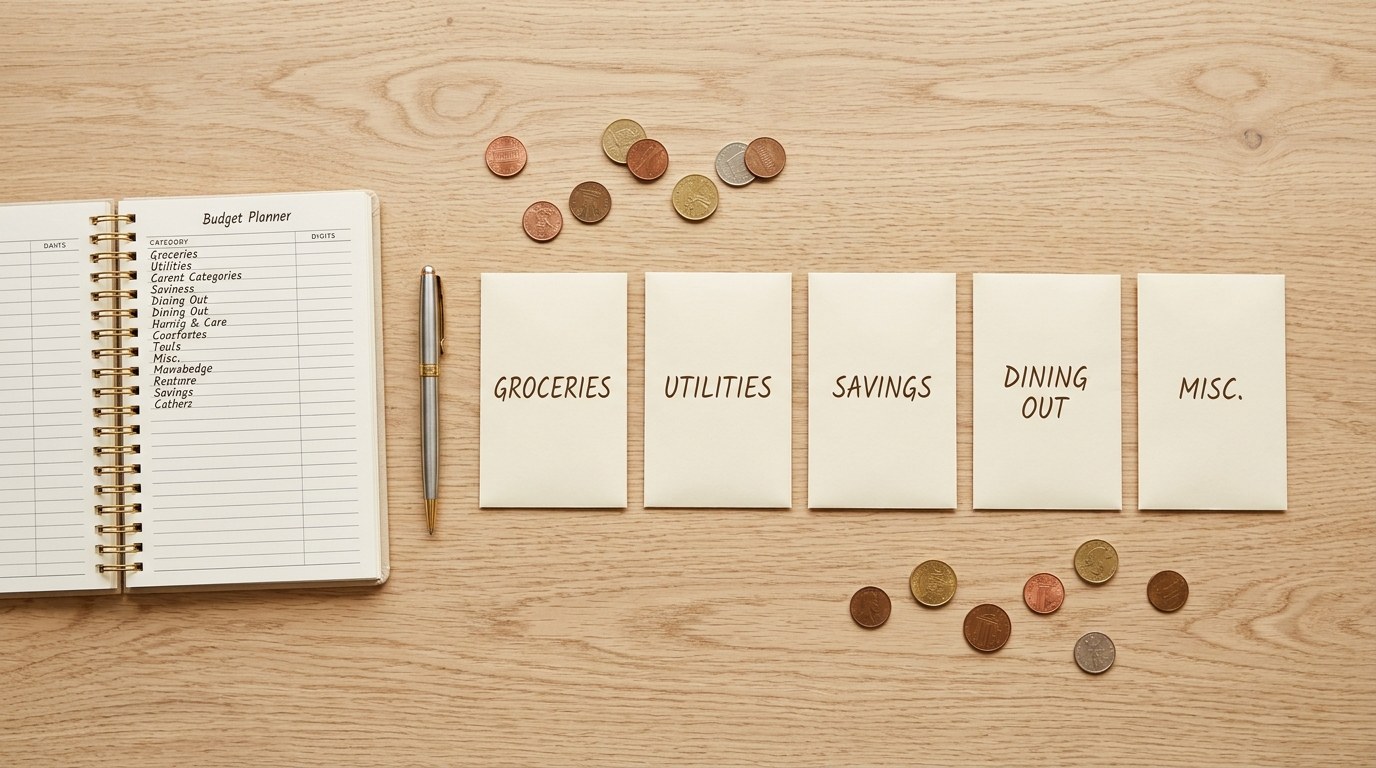
- Cash envelopes - a physical approach that some people find more tangible and motivating, especially for categories like holiday gifts or travel.
Why the Sinking Fund Approach Makes a Real Difference
If you've ever raided your emergency fund for a non-emergency, felt sick about a surprise bill, or put planned expenses on a credit card you couldn't immediately pay off - sinking funds fix that pattern at the root.
The problem was never a lack of discipline. It was a lack of structure. When every dollar that lands in your checking account is undifferentiated, your brain treats it all as "available." Sinking funds create mental and practical separation between money that's committed to something and money that's free to spend.
- Eliminates the "budget bomb" effect - irregular large expenses stop feeling like crises because the money is already waiting
- Protects your emergency fund - your true emergency reserves stay untouched because predictable expenses have their own bucket
- Improves cash flow clarity - when you know what's already allocated, your "free" money feels genuinely free
- Reduces credit card dependence - one of the most common sources of revolving credit card debt is irregular planned expenses charged in a moment of shortage
Getting the Most Out of Your Sinking Fund System
Once the basics are in place, a few upgrades make the system significantly more powerful:
- Put sinking funds in a high-yield savings account - at 5% APY, $5,000 spread across your funds earns $250 per year in interest at no extra effort. That's a free $250 toward your goals.
- Name your accounts descriptively - "Car Fund" or "Holiday 2026" beats "Savings Account 3." The psychology of naming matters.
- Schedule a quarterly sinking fund review - 15 minutes every 3 months to adjust contribution amounts as your expenses evolve. Set a recurring calendar reminder now.
- Fund the biggest annual expense first - look back at your last 12 months and identify the single largest irregular expense. Start a fund for that category immediately with at least $50/month, and scale up as your budget allows.
For a practical next step on organizing your full monthly budget around this strategy, read our guide on zero-based budgeting - the method that pairs best with a sinking fund system.
Frequently Asked Questions About Sinking Funds
How many sinking funds should I have?
Start with two to three and expand from there. Most households with a mature sinking fund system run five to eight funds at any given time. There's no upper limit, but complexity beyond ten or twelve funds often becomes more of a management burden than a financial benefit. Focus on the categories where irregular expenses have historically disrupted your budget the most.
How do I calculate how much to save each month?
The formula is simple:
- Estimate the total annual (or multi-year) cost of the expense
- Decide how many months you have until you expect to spend it
- Divide the total by the number of months
For example: you want a $2,400 vacation in 18 months. Divide $2,400 by 18 = $133/month. If you need tires in about 12 months and expect to spend around $900, set aside $75/month starting now. Review and adjust the amount as you get closer to the target date.
Can I use sinking funds if I'm already paying off debt?
Absolutely - and you should, with some intentionality. Even while in debt payoff mode, a small car maintenance fund of $50-$75/month can prevent you from going deeper into debt when your car needs service. The goal isn't to save aggressively in sinking funds while carrying high-interest debt - it's to maintain enough of a buffer that a predictable expense doesn't derail your debt payoff momentum. As your debt decreases, gradually increase your sinking fund contributions.
Conclusion
Sinking funds aren't complicated. They're just an honest acknowledgment that life has a rhythm of large, predictable expenses - and a simple system for being ready when they arrive. The stress most people feel around money isn't usually about income. It's about timing. Sinking funds fix the timing problem by spreading large costs across many months instead of absorbing them all at once.
In 2026, with household budgets under real pressure, the ability to face a $1,000 car repair or a $800 holiday season without anxiety or credit card debt is a meaningful form of financial freedom. Start with one fund this week - just one. Pick the expense that has caught you off guard most recently, estimate the cost, divide by 12, and set up an automatic transfer. From there, the system builds itself.
Explore our full collection of budgeting guides and tools at Wealth Builder Daily to take the next step toward a budget that actually works - without the stress.
The Newsletter
Get the Free Budget Tracker
Join our weekly newsletter. Practical money guides, no fluff. Unsubscribe anytime.